Creating More Connection & Fulfillment in Your Relationship
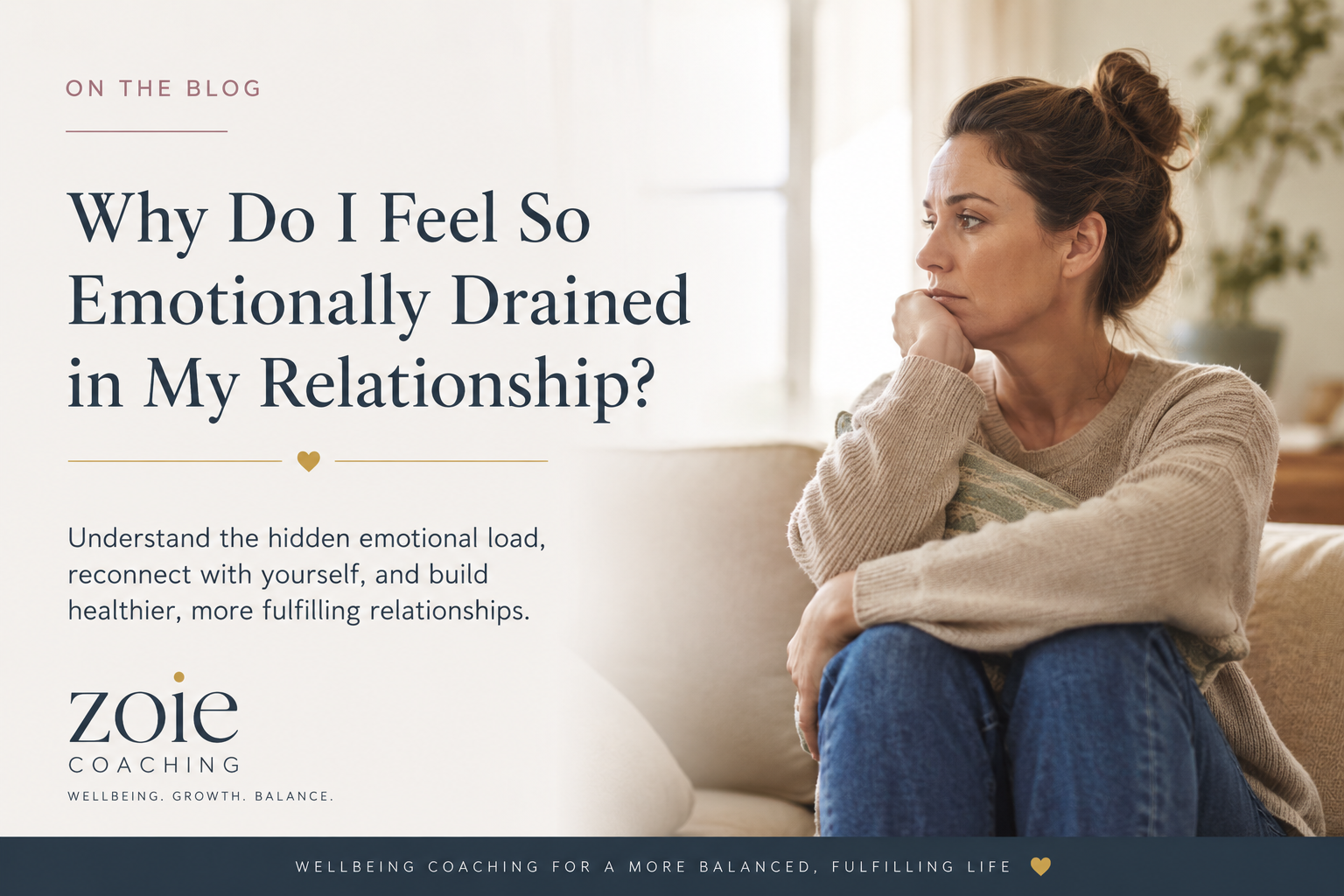
Many women, especially working mothers and high achievers, are looking for ways to create more energy, balance and space for themselves within already full lives. In this article, we explore how positive psychology and wellbeing coaching can help women strengthen resilience, prioritize their wellbeing and build healthier, more sustainable habits that support greater emotional wellbeing, fulfillment and connection to themselves.
Relationships can be one of the most meaningful parts of our lives. They give us connection, companionship, support and the opportunity to build a life with someone we love.
But within a full life of careers, children, responsibilities and everyday demands, it can be easy to give more attention to keeping everything moving than to nurturing our own emotional wellbeing and connection with our partner.
For many women, creating a healthier, more fulfilling relationship begins by making more space for themselves within it.
Creating More Connection in a Full Life
Strong relationships don’t require everything to be perfect. They benefit from communication, mutual support, emotional awareness and the ability for both people to express what they need.
For many women, particularly working mothers and high achievers, life can involve balancing many different roles at once.
Partner. Parent. Professional. Friend. Caregiver.
When so much attention is directed toward others, it can be helpful to intentionally create space for:
meaningful conversations with your partner
time for yourself
shared responsibilities
healthy boundaries
emotional connection
asking for and accepting support
activities that bring you joy
being present together
Small changes in these areas can make a meaningful difference in how connected you feel to yourself and the people you love.
Sharing the Mental Load
One important part of relationship wellbeing is recognizing that everyday life involves more than the responsibilities we can see.
Planning schedules, remembering appointments, anticipating needs, organizing family life and thinking several steps ahead all require mental and emotional energy.
Healthy relationships create opportunities to talk openly about these responsibilities and find ways to approach them as a team.
Sometimes greater balance begins with a simple conversation about what each person is carrying, what support would be helpful and what could be done differently.
Staying Connected to Yourself
A fulfilling relationship includes room for two individuals to continue growing.
Making time for your own interests, friendships, goals and wellbeing doesn’t take away from your relationship. It can strengthen your sense of self and help you bring more energy and presence into your relationships.
Consider asking yourself:
What gives me energy?
What helps me feel connected to myself?
What would I like more of in my relationship?
Where could I use more support?
What makes me feel appreciated and connected?
What would greater balance look like for me?
Self-awareness gives us a clearer understanding of what we need and makes it easier to communicate those needs to the people we love.
Wellbeing Is More Than Rest
Rest is important, but emotional wellbeing is also supported by the way we experience our everyday lives.
Positive psychology looks at factors such as positive emotions, meaningful relationships, engagement, purpose, resilience and personal strengths as important parts of flourishing.
For women who have experienced emotional exhaustion or relationship burnout, creating greater wellbeing may include building healthier boundaries, communicating needs more clearly, making time for restorative activities and becoming more intentional about where their energy goes.
The goal isn’t simply to feel less stressed.
It’s to create more connection, energy, balance and fulfillment.
How Wellbeing Coaching Can Help
At Zoie Coaching, wellbeing coaching provides a supportive, evidence-based space to focus on yourself, your wellbeing and what you want more of in your life and relationships.
Through positive psychology, behavior change science and emotional wellbeing practices, coaching can help you:
deepen self-awareness
strengthen emotional resilience
create healthier boundaries
communicate your needs more confidently
build habits that support your wellbeing
reconnect with your values and priorities
create greater balance
make more space for meaningful connection
For many women, coaching offers something they don’t often have in their everyday lives: dedicated time to think about themselves and what would help them feel their best.
Your Wellbeing Belongs in Your Relationship, Too
Caring deeply about your relationship and caring for yourself aren’t competing priorities.
You can be a supportive partner and make space for yourself.
You can care for your family and prioritize your own wellbeing.
You can have a full life and still want more connection, balance and fulfillment within it.
Creating healthier relationships often begins with understanding ourselves more deeply and becoming intentional about how we want to show up in the lives we share with others.
If you’re looking for greater connection, emotional wellbeing or balance in your relationship, wellbeing coaching can give you the space and tools to explore what that looks like for you.
Because a healthy relationship shouldn’t just have room for everything you do for each other. It should have room for you, too.